

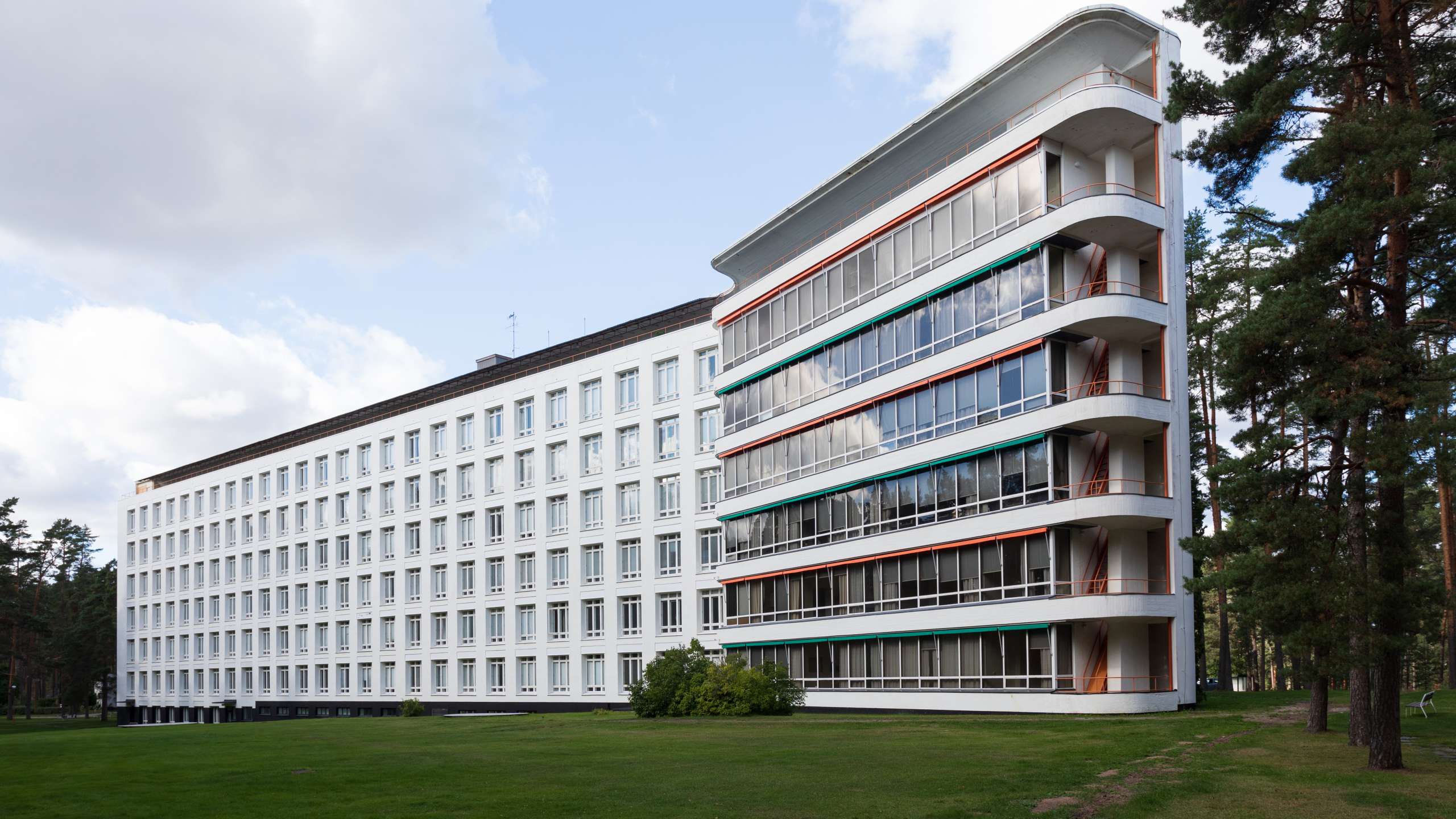
Paimio Sanatorium – The Healing Power of Architecture
A while away from Turku, nestled in a tranquil pine forest in Paimio, stands one of Finland’s most internationally significant works of architecture. Designed by Alvar and Aino Aalto, Paimio Sanatorium tells a remarkable story of how an entire building, from its surroundings to its interior choices, can be designed around wellbeing.
Originally built to be a tuberculosis sanatorium, Paimio Sanatorium was completed in 1933. The result of an architectural competition victory, the project played a pivotal role in Alvar and Aino Aalto’s international breakthrough.
As of summer 2026, the sanatorium is inscribed on the UNESCO World Heritage List as one of 13 sites forming the Aalto Works ensemble. It became the first World Heritage Site in Southwest Finland and eighth in Finland.
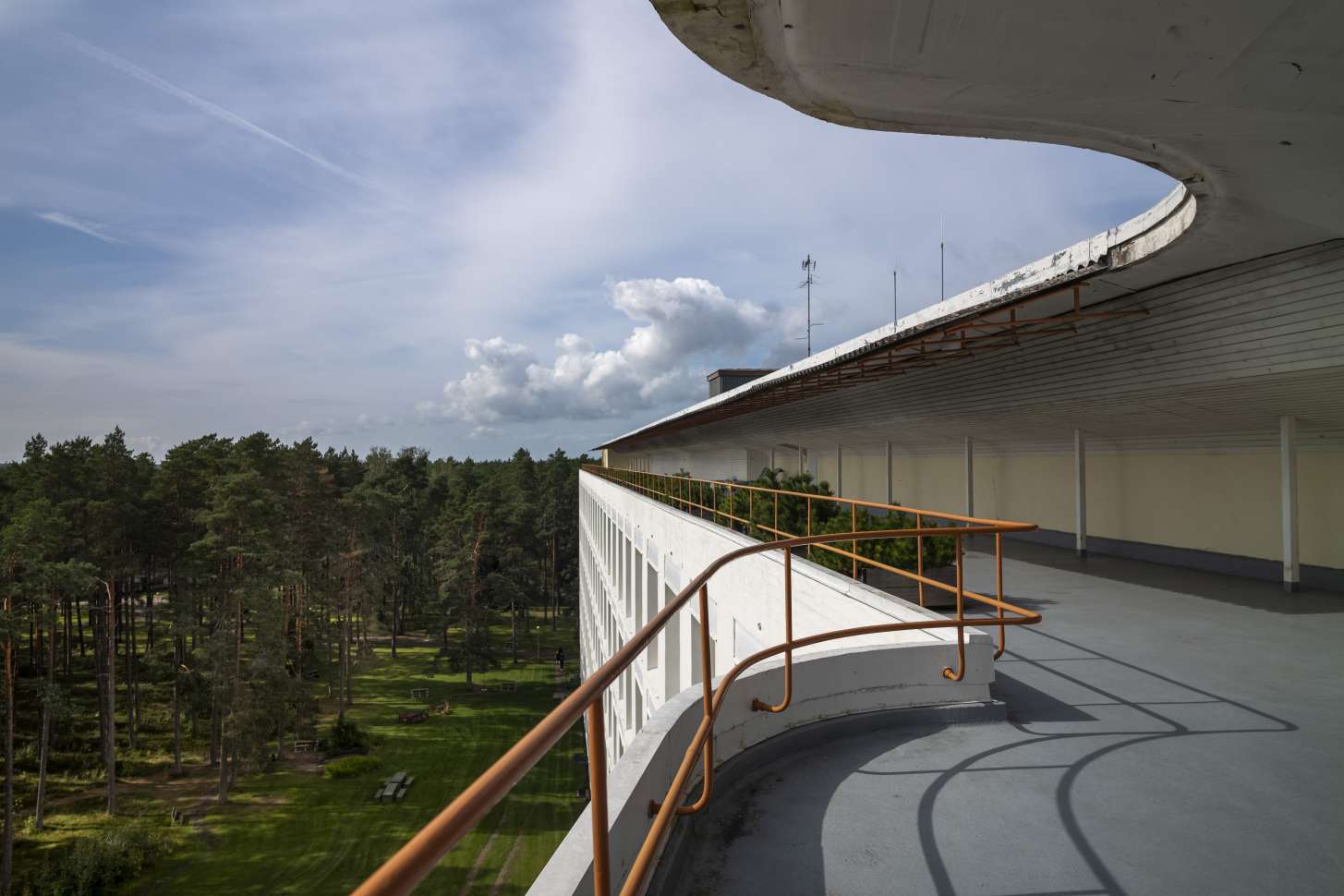
Paimio Sanatorium is an exceptional work of design: Aino and Alvar Aalto created not only its striking exterior but also its rooms and their furnishings. Every detail was thoughtfully considered from the outset, with one purpose in mind: to support patients’ recovery.
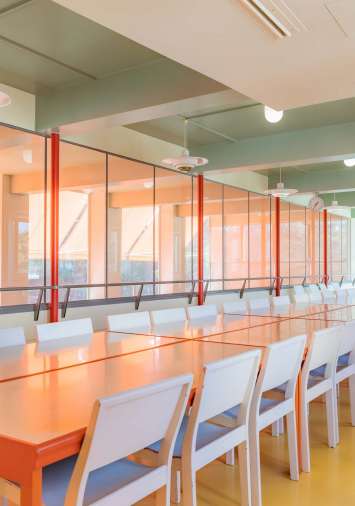
In the 1930s, rest, fresh air and sunlight were considered central to treating tuberculosis. The sanatorium was set in a pine forest, and the building was positioned to make the most of natural light and the surrounding landscape. Patient rooms were designed from the perspective of someone lying in bed. Colours, lighting, washbasins, door handles and furniture were all developed with patients’ needs in mind, partly in collaboration with doctors. Aalto worked with decorative artist Eino Kauria on the interior colour scheme.
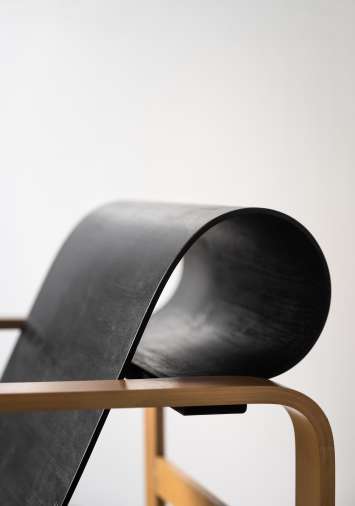
One of the best-known pieces created for the sanatorium is the Paimio Chair, made from bent wood and designed to support a posture that would help patients breathe more easily. One of the most cherished classics of Finnish modern design, it illustrates how the project’s design philosophy extended from the architecture to individual everyday objects.
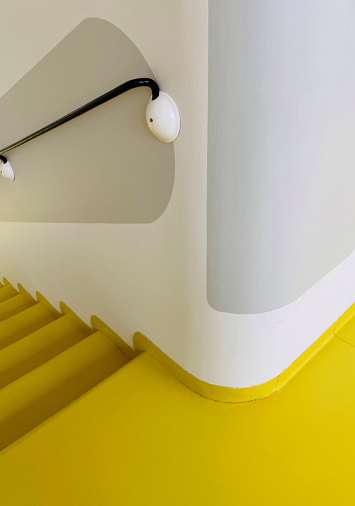
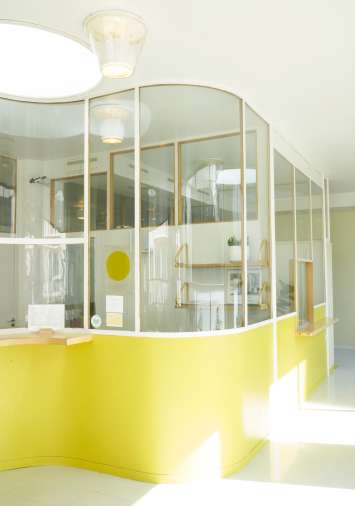
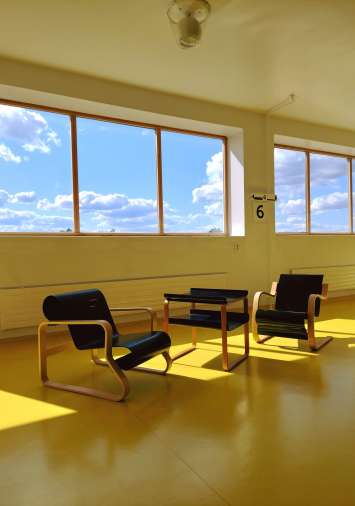
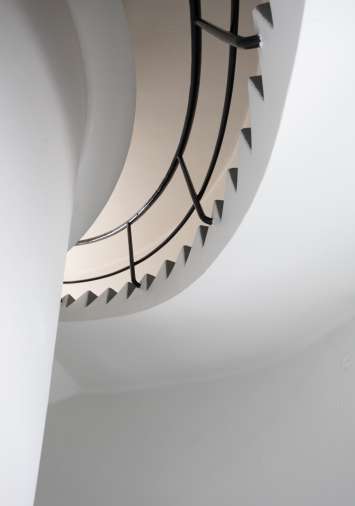
A guided tour is the best way to experience all of the sanatorium. Public tours in Finnish and English share stories of the building’s construction and the lives of the people who once occupied its rooms and corridors. Tours reveal spaces and details you would miss when observing the building just from its exterior. They explore the sanatorium’s architecture, design solutions and innovations, as well as tell stories on what everyday life was like when the tuberculosis patients were still treated on the premises.
Some interiors can only be visited on a guided tour. During opening hours you can independently explore areas such as the main building’s entrance hall and first-floor dining room, as well as admire the buildings and their surroundings from the outside.
At Paimio Sanatorium, nature is more than a backdrop: it is integral to the original design. A walkable nature trail around the sanatorium leads you into the pine forest that forms an essential part of its setting. Along the way, the scenery shifts from moss-covered rocks and woodland to the banks of a murmuring brook.
The building’s exterior and grounds can be explored freely. Allow some time before or after your tour: the building’s scale and its relationship with the surrounding forest are best appreciated from outside. As you wander, take in the architectural details, breathe in the scent of pine and listen to the wind in the trees, perhaps catching the sound of the stream a little further away. In these peaceful surroundings, it is easy to imagine what your own life might have been like here during the sanatorium’s operational years.
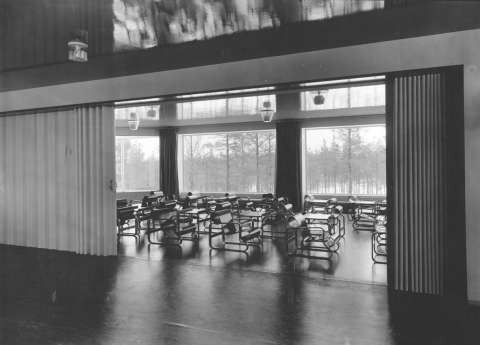
Stay for coffee or lunch…
There is no need to limit your visit to an architectural tour. Restaurant Toivo, on the first floor of the main building, serves lunch, coffee and delicious Finnish pastries, among other offerings. Its food makes use of seasonal ingredients, sourced mainly from close by.
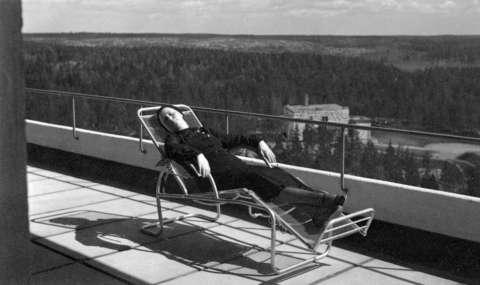
…or spend the night?
An overnight stay on the sanatorium grounds can be arranged beforehand, usually for larger groups. Guest accommodation is available in Mäntylä, the former nurses’ residence, and also in the former patient rooms of the main building.
While most of the sanatorium can be experienced in a few hours, if you're not in a hurry, why not spend a whole peaceful day, or even a night, surrounded by Paimio’s pine forest.
Paimio Sanatorium is located at Alvar Aallon tie 275, Paimio.
You can reach the sanatorium from Turku by public transport. Check Föli for buses: routes 705, 706 and 709 run from Turku’s Puutori square to the sanatorium. The journey takes approximately an hour.
If you are arriving by car, free parking is available near the main building.
The sanatorium also makes a rewarding stop for those exploring by bike.
Public opening hours vary by season, so check the sanatorium website before your visit.
Private tours can be arranged outside the regular visitor hours. Be sure to book well in advance.
Accessible tours are also available. The main building has an accessible entrance located on the northern side.
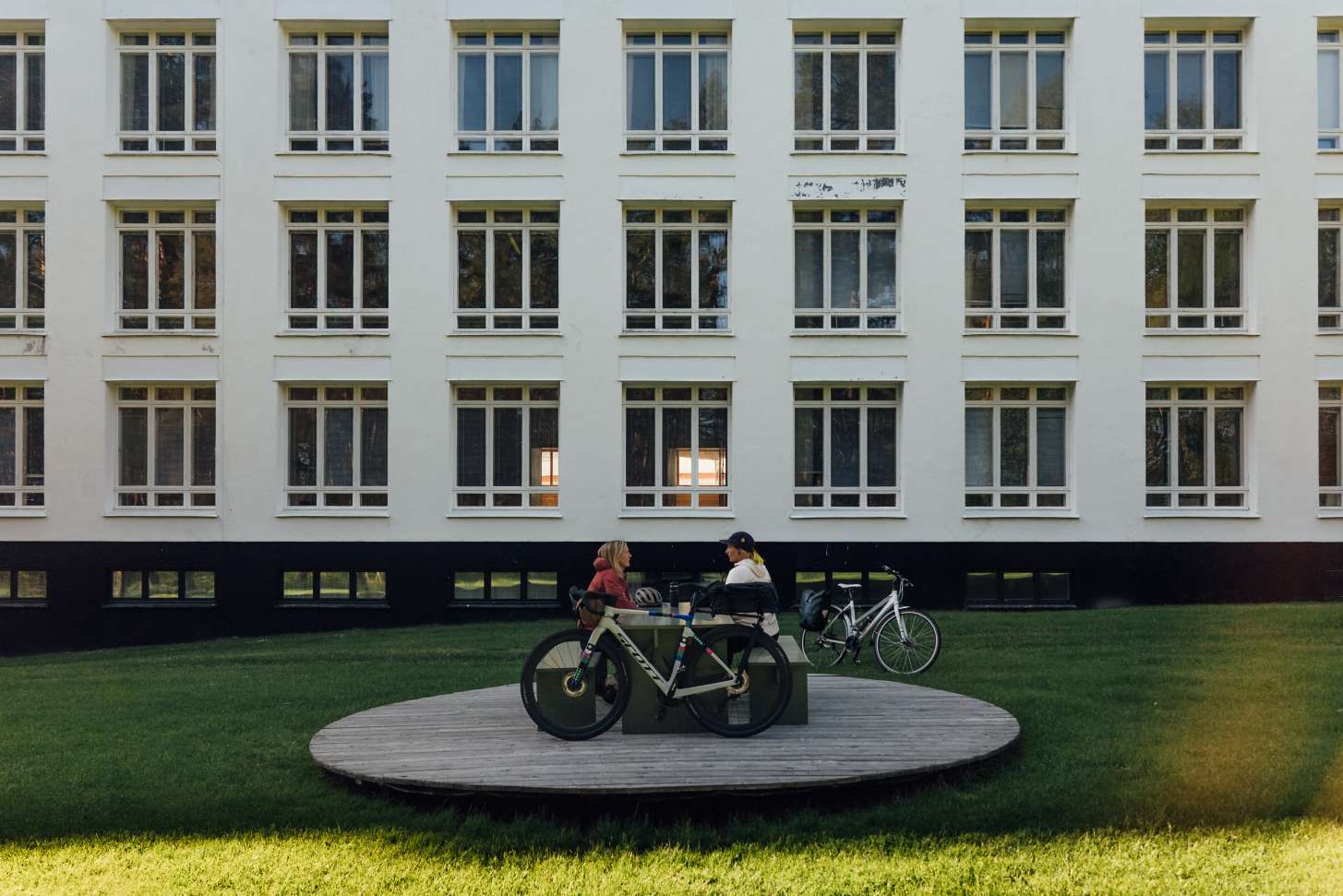
Paimio Sanatorium is an obvious choice for anyone interested in architecture and Finnish design, but there is also no need to be familiar with the Aaltos to enjoy a visit. Beyond its status as a masterpiece of functionalist architecture, the sanatorium holds countless deeply touching and even humorous human stories. The histories that unfold on the tours will provide you with food for thought for your journey home.
The surrounding countryside and the wider Turku region offer a wealth of memorable experiences. The sanatorium makes an excellent day trip from Turku but is also a great pit stop for a journey through the world's largest archipelago on the coast of Turku.
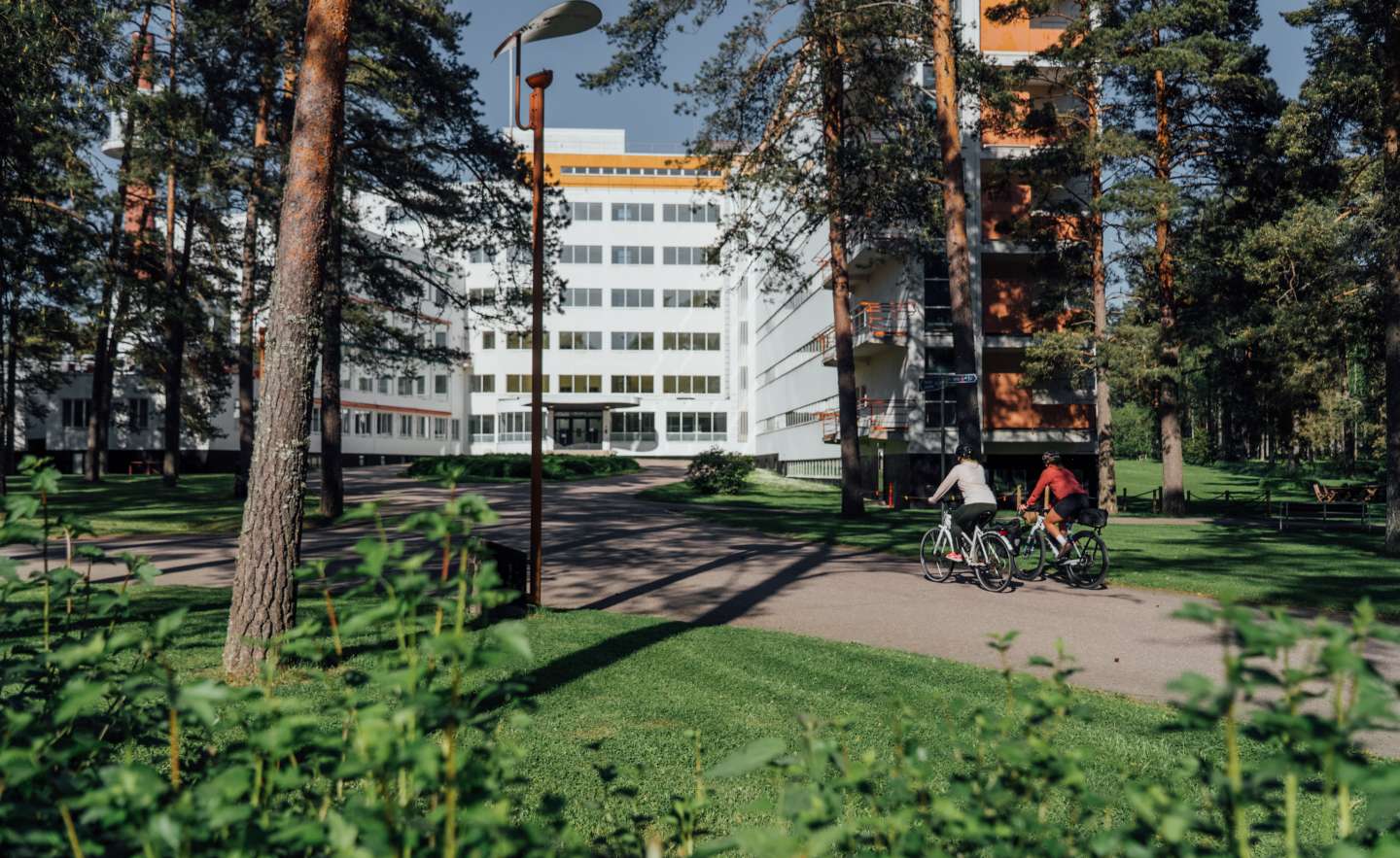
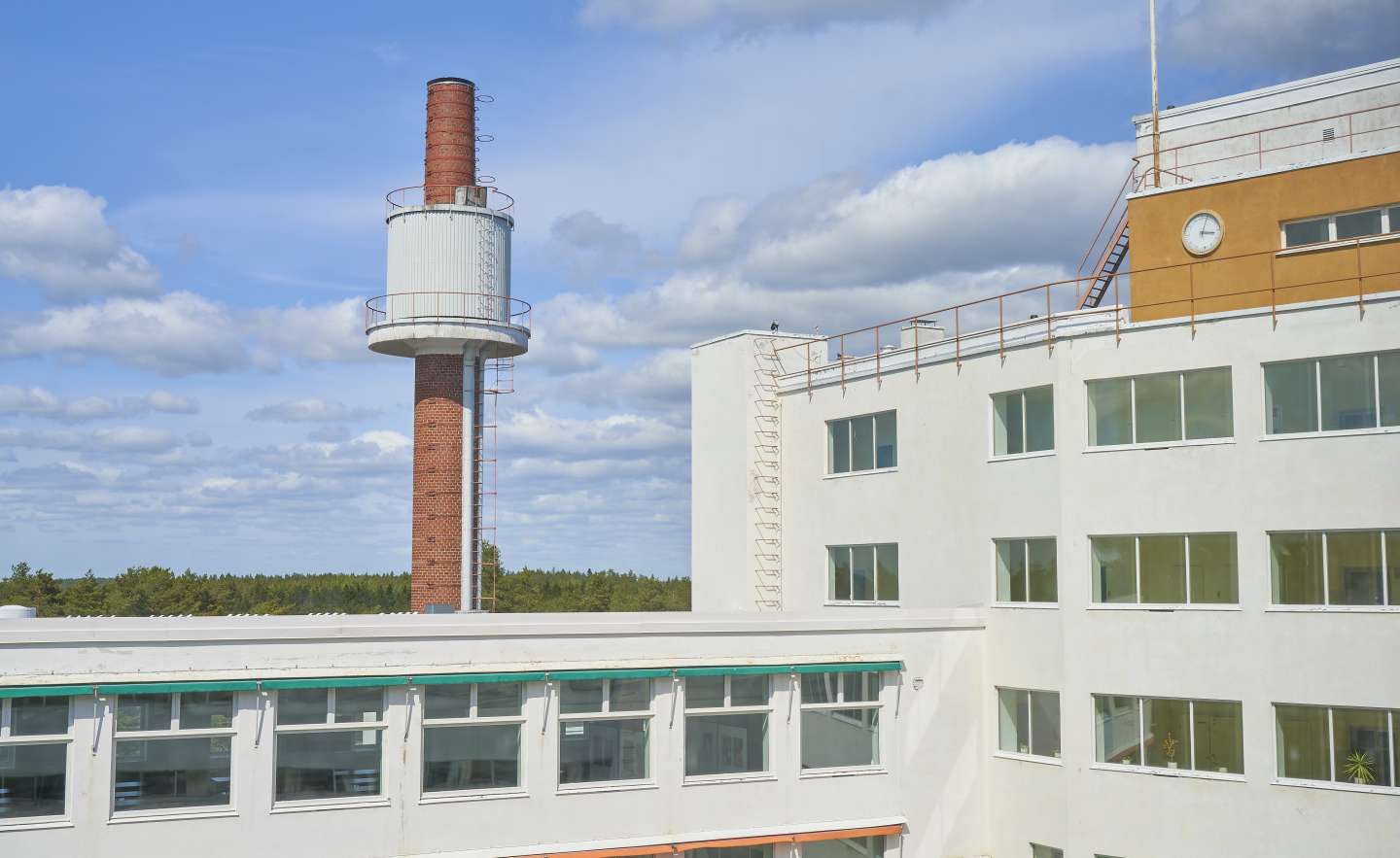
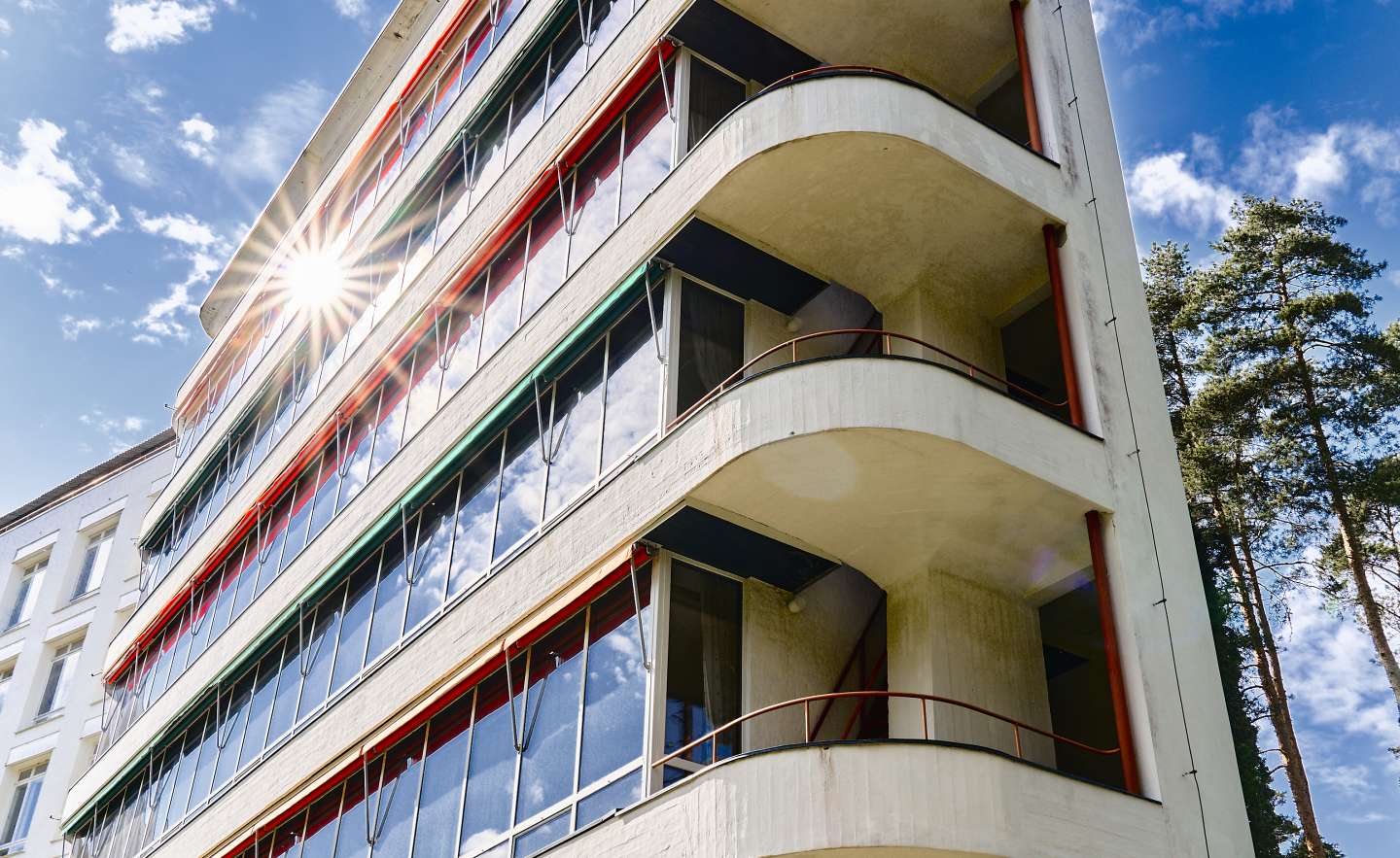
Paimio Sanatorium embodies a question that feels today as relevant as it ever did: what does a place look and feel like when it's designed for human wellbeing?
The best way to find out is to experience it for yourself.
Psst! If you are interested in what other architectural marvels Turku area can offer, check out our article here.
Photos: Paimio Sanatorium Foundation, Ola Kolehmainen, Jaska Poikonen, Arto Wiikari, Niko Kotiranta
Published | Updated